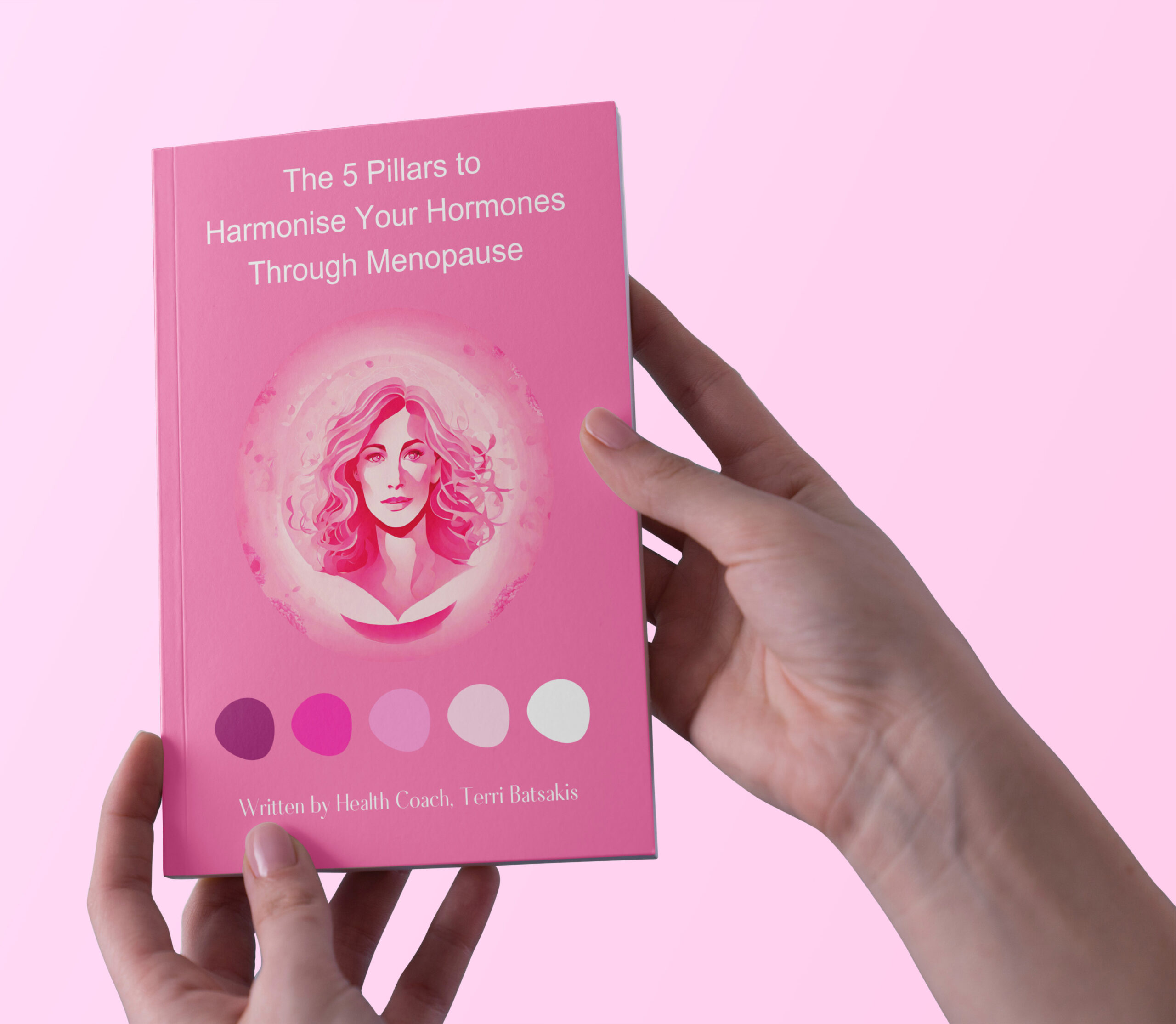

 One of the first signs of perimenopause is the gradual increase in weight when nothing else has changed. The closer to menopause you get, the greater that increase may get. There are 7 factors that contribute to this ‘unexplained’ weight gain. Each one has a compounding effect on the other. We’ll explore each of these one at a time.
-
Metabolism:
Oestrogen contributes to your metabolism which is responsible for energy expenditure. The higher your oestrogen levels, the higher your metabolism, therefore the higher your energy expenditure, and fat loss. As your oestrogen level starts to drop, so does your metabolism. Initially there is only a slight decline in perimenopause, and it usually goes unnoticed. However, as you approach closer to menopause the greater the drop, and therefore the greater the fat gain. Where you may have noticed it earlier, it may start to become evident in your 40’s or as you enter your 50’s.
-
Fat Distribution:
Fat distribution in women is common around the thighs, hips, and buttocks, however as you approach menopause you will notice that the weight starts to creep on around your waist instead. The change in oestrogen is also responsible for the way fat is broken down, and in which areas of the body it is stored and broken down.
-
Insulin Sensitivity:
As oestrogen decreases, your insulin sensitivity reduces with it. Insulin is the hormone that is responsible for transporting glucose out of the blood and into the cells to be used as energy in the form of glycogen. If the cells are already full it transports the glucose to the liver for metabolism. It is then converted to fat and stored. The lower your insulin sensitivity the less you can consume without fat gain. During perimenopause and beyond, the amount of fat distributed to the hips, thighs and buttocks reduces and it is then distributed around the organs in the abdomen in the form of visceral fat. This is the dangerous fat that increases risk of illnesses such as various cancers, diabetes, and heart disease.
-
Muscle Mass:
As you approach menopause, development of muscle fibres decreases. The cause of this is still being researched and has not yet been established. [1] The greater your muscle mass, the greater your insulin sensitivity and the more carbs your body can cope with. As your muscle mass reduces, so does your insulin sensitivity. Muscles are responsible for burning the most amount of fat as energy. The reduced muscle mass, therefore, reduces how much fat you burn.
-
Sleep:
As you approach menopause progesterone levels also decrease. One of the wonderful traits of progesterone is it helps you sleep. It’s common therefore for women to struggle with sleep as you enter perimenopause and menopause. Reduced sleep decreases your energy levels and increases the body’s automatic stress response, fight, or flight. When this happens, glucose is secreted out of the cells into the blood stream as instant fuel to deal with the stress. If this is not burned as a source of energy, it is then stored again, in the form of fat. The less you sleep, the higher the stress levels, the higher the glucose secretion. This further reduces insulin sensitivity and further increases fat stores, particularly around the waist.
-
Stress:
If you are not managing your day-to-day life stresses, you are causing the blood glucose, insulin, and fat storage problem caused by bad sleep, to become even worse. It is at this point that you start the vicious cycle, where bad sleep causes higher stress and the more stress you are under the worse you sleep.
-
Energy:
As a result, your energy levels start to deplete so you tend to reduce your activity levels. Reduced activity reduces your metabolism further, reduces muscle mass, decreases insulin sensitivity, and increases fat stores further.
As daunting as this may all seem, don’t despair, there are things you can do to combat these issues.
Solution:
- Manage your stress levels and focus on ways you can relax more.
- Limit caffeine and other stimulants such as alcohol, energy drinks, and sugary foods as these contribute to elevating stress.
- Help improve your sleep:
- Go to bed earlier to give you more time at rest, even if not sleeping.
- Eat nourishing fresh food that is not going to further inflame your body and impact your sleep.
- Sleep in a pitch-black room.
- Manage your stress.
- Limit coffee intake with no caffeine after 12:00pm as this impacts your sleep.
- Exercise, particularly strength training. Strength training:
- Increases muscle mass, which improves insulin sensitivity
- Reduces stress because it produces endorphins, your feel-good hormones
- Increases your metabolism and therefore burns more fat.
- Avoid sugary foods, processed foods and any food that is going to increase inflammation or spike insulin too high. Fresh is best. Opt for fresh food that is nutrients dense to help energize you and help improve hormone synthesis.
- Improve your gut health. When you have optimal gut health your body works more efficiently, and you eliminate toxins more efficiently.
- Eat fermented food such as kimchi, sauerkraut, pickled foods, and kefir.
- Avoid process food.
- Drink plenty of water.
- Supplement ideas include L-Glutamine, probiotics, and magnesium.
- *Always consult your health care professional before starting any supplementation.
- If you follow all of the above and see absolutely no improvement, consult your health care professional in case there are any underlying health issues.
Menopause doesn’t need to be suffering. It is a wonderful transformative stage of life, if you evolve your lifestyle to match the evolution that is going on in your body.
- Coach Terri