
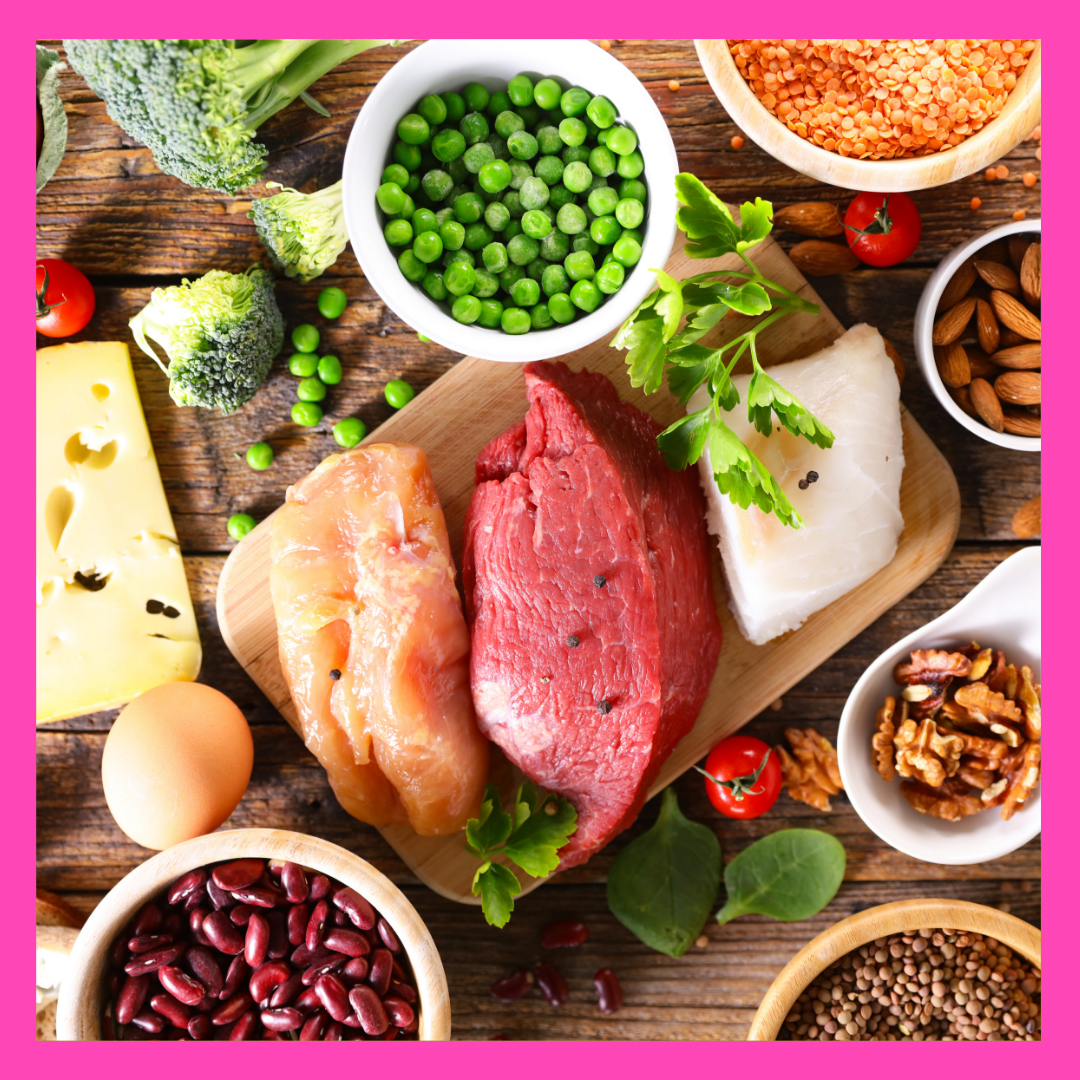
As we age, our nutritional needs shift, and one of the most critical nutrients we often overlook is protein. For women over 50, getting enough protein in every meal is a game-changer. It supports muscle preservation, bone health, and metabolism, while also helping to keep cravings under control during menopause. Here’s why protein is so powerful and how you can easily add more to your daily meals.
Why Protein Matters So Much After 50
- Muscle Preservation ????
As we age, our bodies naturally lose muscle mass—a process called sarcopenia. Less muscle can lead to weakness, reduced mobility, and a slower metabolism. Protein helps preserve and build lean muscle, keeping you strong and active. Incorporating strength training alongside protein-rich meals will further help maintain muscle and energy levels. - Bone Health ????
It’s not just calcium that keeps your bones healthy; protein plays a key role, too. As oestrogen levels decline during menopause, bone density can decrease, increasing the risk of fractures. Protein supports bone structure, helping to keep your bones strong and reducing the risk of osteoporosis. - Boosting Metabolism ????
Protein requires more energy for your body to digest compared to fats or carbs, which means it actually boosts your metabolism through a process called the thermic effect of food. This can help with maintaining a healthy weight and supporting fat loss, which can be more challenging during menopause. - Satiety & Cravings Control ????️
Ever notice how a carb-heavy meal leaves you hungry soon after? Protein, on the other hand, helps keep you fuller for longer, reducing the chances of late-night snacking or mid-afternoon sugar cravings. By keeping your blood sugar stable, protein helps manage mood swings and energy dips that are common during menopause.
Easy Ways to Add More Protein to Your Meals
I get it—sometimes, it feels like a chore to squeeze more protein into your diet. But it doesn’t have to be complicated. Here are some simple tips to increase your daily protein intake:
- Make Protein the Hero ????♀️ Choose your desired protein as the hero of your plate then add what you want to accompany it with. This way, protein is always at the forefront of your meal planning.
- Start Your Day with Protein ???? Begin with a high-protein breakfast like eggs, Greek yogurt, cottage cheese, or even a handful of nuts added to oatmeal. These options are filling and get your metabolism going for the day.
- If You’re Going to Snack, Snack Smart ???? Swap sugary snacks for protein-rich options like mixed nuts, Greek yogurt, cheese, or a hard-boiled egg. These snacks are easy to prep and can keep you satisfied between meals.
- Upgrade Your Salads ???? Add grilled chicken, turkey, tuna, or a scoop of cottage cheese to your salads. You can also throw in a handful of chickpeas, lentils, or sprinkle some feta cheese to make it a protein-packed meal.
- Choose Lean Meats & Fish ???? Incorporate lean meats like chicken, turkey, or fish into your dinners. Salmon, in particular, is a double win—it’s high in protein and rich in omega-3 fatty acids, which help reduce inflammation.
- Power Up with Eggs ???? Eggs aren’t just for breakfast! Boil a few to have on hand as easy snacks or toss them into salads, stir-fries, or veggie bowls for a protein boost.
- Add Beans, Lentils, and Quinoa ???? Plant-based proteins like quinoa, lentils, and beans are fantastic in soups, stews, and grain bowls. These options are versatile, filling, and add great texture and protein to any meal.
- Enhance Soups & Stews ???? Add lentils, chickpeas, or kidney beans to your soups and stews. Not only do these add protein, but they also bring fibre and nutrients, making the meal more satisfying and nourishing.
These small adjustments make it easy to fit in protein at every meal without complicating your routine. Just remember, a little protein in every meal goes a long way! ????
How Much Protein Do You Really Need?
While protein needs vary from person to person, a general guideline for women over 50 is about 1.2 to 2.0 grams of protein per kilogram of body weight per day. For example, if you weigh 70 kg (about 154 lbs), aim for 84-140 grams of protein daily. This can be spread out across meals and snacks to keep your metabolism steady and your energy levels up.
Final Thoughts: Make Protein Your Priority
Adding protein to every meal doesn’t have to be overwhelming. Small changes—like swapping out your snack or adding a serving of chicken to your lunch—can make a big difference in how you feel. Prioritizing protein will help you maintain muscle mass, support your bone health, boost your metabolism, and keep your energy stable, which is crucial during menopause.
Take it one step at a time and make small, consistent changes to your diet. Your body will thank you for it! ????
- Coach Terri