If you’re in your 40s or 50s and started noticing that your body doesn’t move quite like it used to, aching joints, slower recovery, or more stiffness in the morning, you’re not imagining it. These changes are largely due to hormonal shifts, specifically declining oestrogen and progesterone levels during perimenopause and menopause. And while strength training is one of the best things you can do to maintain muscle, bone density, and metabolism, how you train matters just as much as what you train.
A strong, resilient body doesn’t just come from lifting heavy weights; it comes from earning the right to lift heavier, through proper mobility, activation, and warm-up exercises. Skipping these essential steps isn’t just a fast track to injury, it’s also limiting your strength, performance, and overall progress.
The Role of Mobility and Warm-Ups
Think of your body like a cold elastic band. If you try to stretch it too quickly, it’s more likely to snap. But if you warm it up first, it becomes more flexible, moves smoothly, and is far less likely to break. Your muscles and joints work the same way. Without a proper warm-up, they’re stiff, restricted, and more prone to injury.
Mobility exercises prepare your joints, muscles, and nervous system for movement, improving flexibility and range of motion while reducing stiffness. A proper warm-up also increases blood flow to your muscles, reducing the risk of strains, sprains, and compensations that lead to long-term issues.
A few key areas to focus on:
- Hips & Ankles: Poor mobility in these areas can lead to knee pain, poor squatting technique, and even back pain.
- Thoracic Spine (Upper Back): Limited mobility here forces your lower back and shoulders to compensate, increasing the risk of pain and injuries, particularly in your shoulders.
- Shoulders & Wrists: Tightness or weakness here can lead to poor technique in ‘pushing’ exercises and increase risk of shoulder impingements. Pain and injury.
Why Activation Exercises Are Essential
Your body is designed to move in a way that distributes load efficiently across muscles and joints. But thanks to modern life (hello, sitting at a desk all day), certain muscles weaken and stop firing the way they should. This leads to overcompensation by larger muscles, creating imbalances and increasing your risk of injury.
For example:
- Shoulder stability: There are 3 smaller muscles as this as your finger, that make up the ‘rotator cuff’ in the shoulder. The rotator cuff should be working alongside the ‘deltoid’ which is the primary shoulder muscle, during pressing movements. If the Rotator Cuff is weak, the deltoid overcompensates, leading to impingement, shoulder pain and injury.
- Ankle stability: The ‘soleus’ and ‘gastrocnemius’ are 2 muscles that work together for proper calf function. If one is weak, it can lead to heel pain, plantar fasciitis or ankle injury.
- Knee support: The ‘vastus medialis’ is a muscle that stabilises the knee. If it’s weak, the rest of the ‘quads’ which are your thigh muscles, and your hips take over. This increases strain and pain in the knee joint.
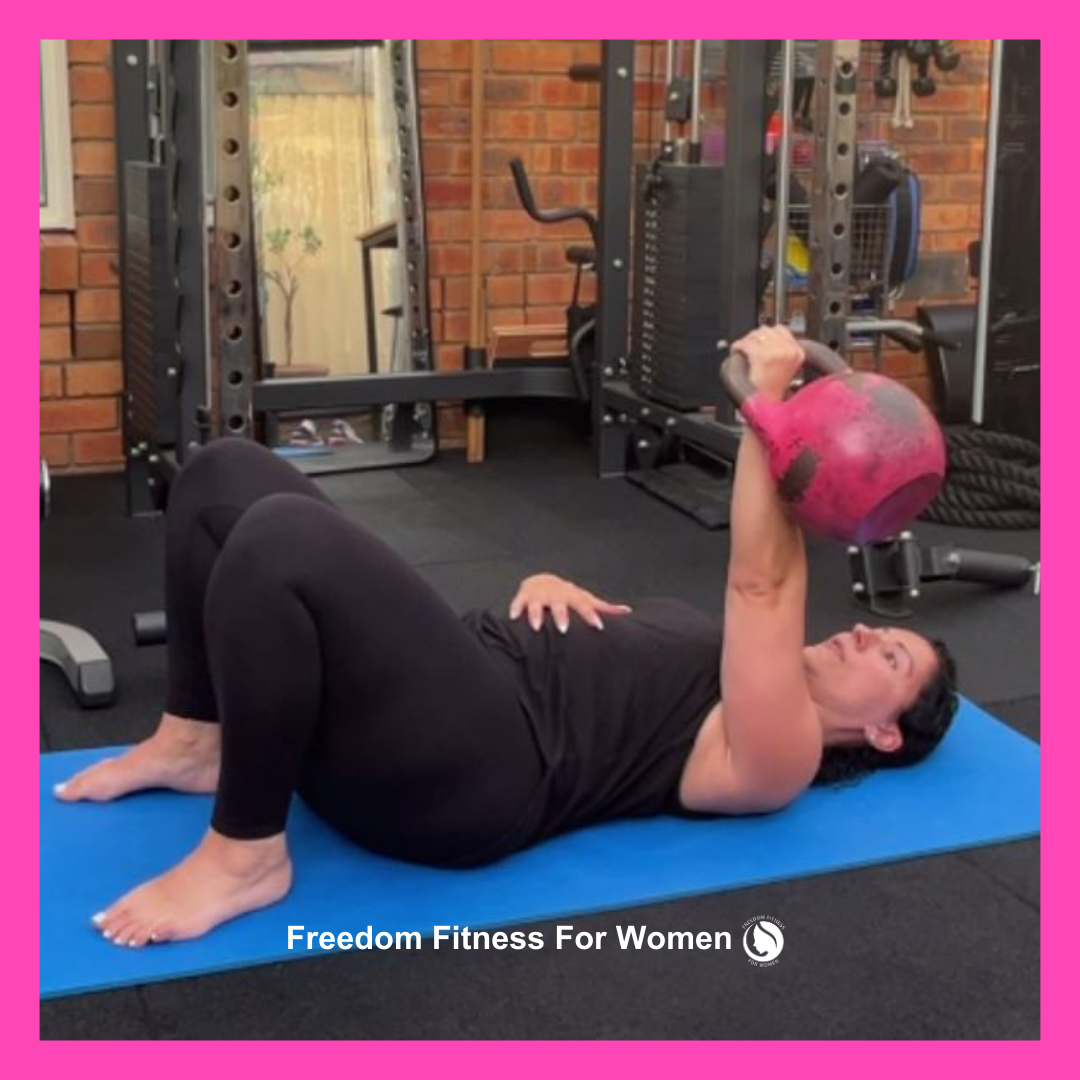
By incorporating activation exercises before lifting, such as banded glute work, rotator cuff drills, and core engagement, you’re teaching the right muscles to fire when needed, preventing imbalances and injuries.
Earning the Right to Lift Heavier
One of the biggest mistakes I see women make when getting into strength training is jumping straight to heavy weights without building a solid foundation first. Just because you can lift a certain weight doesn’t mean you should, especially if your form isn’t solid, your stabilising muscles aren’t engaged, or your mobility isn’t where it should be.
Lifting heavy is an incredible way to build strength, maintain lean muscle, and boost metabolism, but it should be progressive. Start by mastering movement patterns with lighter loads, ensuring full range of motion and muscle engagement. Then, gradually increase weight, reps, or intensity over time. This progressive overload is what drives real results without unnecessary wear and tear on your joints.
Why This Matters Even More in Perimenopause & Menopause
Declining oestrogen and progesterone don’t just affect mood and metabolism. They impact your joints, tendons, and inflammation levels. You might notice that what once felt easy now leaves you sore for days, or that your joints feel stiffer than they used to. Bursitis is also super common at this age, in shoulder, knees and hips as a result in the drop in oestrogen and progesterone. This isn’t a reason to stop training, it’s a reason to train smarter.
By prioritising mobility, activation, and progressive strength training, you can:
- Reduce joint pain and inflammation
- Improve movement efficiency and reduce injury risk
- Maintain and build lean muscle for strength and metabolism
- Keep training consistently without unnecessary setbacks
Wrapping it up
If you’re serious about staying strong, mobile, and injury-free in midlife, mobility, activation, and smart progression aren’t optional, they’re essential. Strength training is one of the best things you can do for your body, but only if you do it correctly. Take the time to warm up properly, activate the right muscles, and gradually progress your training. Your warm up and cool down are more important than the work out itself!
And if you’re not sure where to start? That’s where I come in. As a Movement Restoration Coach, I help women train in a way that supports their bodies, not breaks them down. If you need a structured, personalised approach to strength training, mobility, and injury prevention, send me a message, I’d love to help.
- Coach Terri