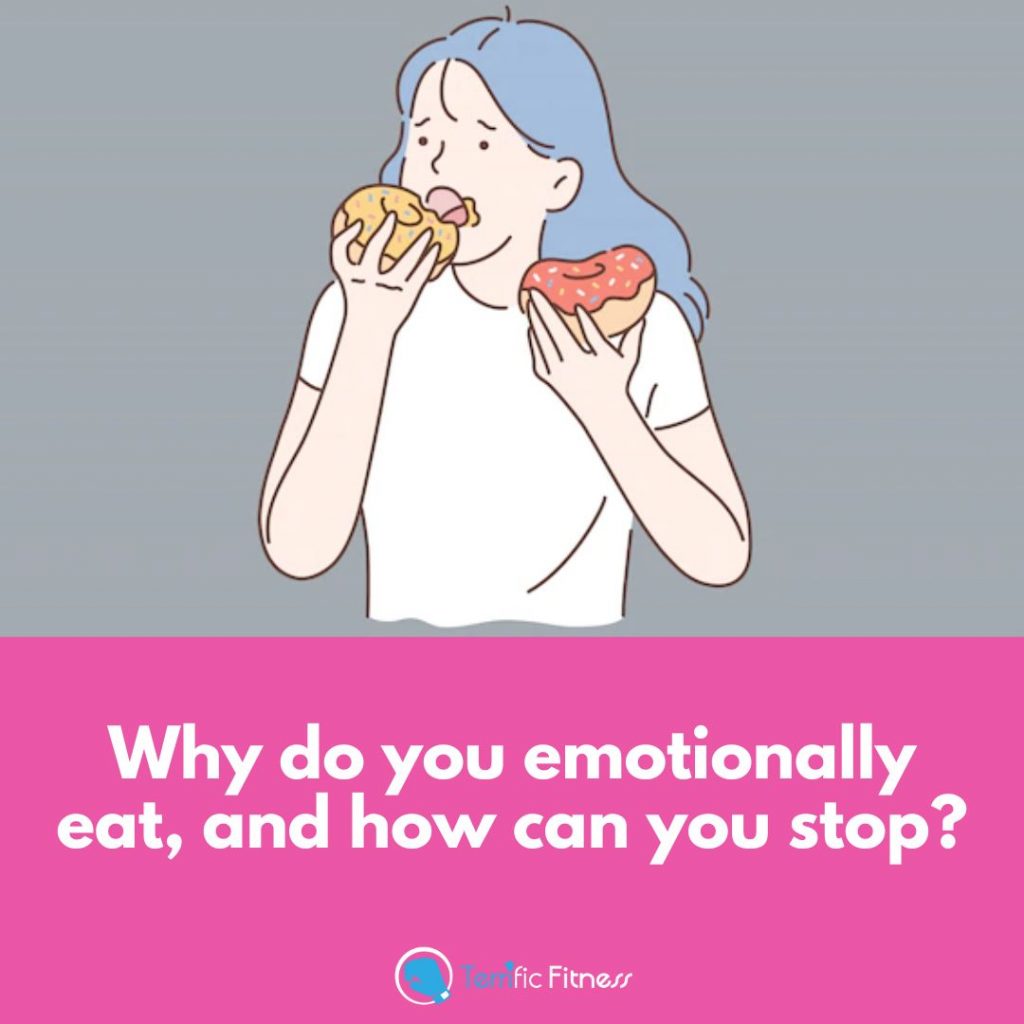
 Emotional eating is so common yet so many people feel like they are a freak for doing it and not being able to control it. The reality is, if you emotionally eat, there is a scientific reason for it. In fact, there are 2 reasons for it. One is behavioural science and the other is chemical science. Simply having self-control or being ‘strong’ is not going to help you here. Strategies for changing the science in your body is.
Behavioural Science:
Often people emotional eat because it has been ingrained in them from when they were just babies. People are taught this behaviour by their elders; parents, grandparents, aunts, uncles etc. Think about this example: as a child, you fall over and graze your knee. You burst out in tears because it really hurts. The adult caring for you comes to find out why you are crying. They give you a hug and clean up your knee for you, then give you a chocolate or an ice-cream to settle you down and take your mind off the pain. Behavioural habit ingraining 101. Pain and emotional state equals reward with sugary treat to help the pain go and the mind get distracted.
Did you just have a serious ah-huh moment?
Think about what you do with your kids when they get hurt or are emotional. Because if this is what you do with them, give them a treat to cheer them up, you are passing on the emotional eating behaviour ingrain.
The beautiful thing about ingrained behaviour is that with some consistent work, you can change it. One of the best ways to handle an emotional state is to give yourself permission to actually feel what you are feeling. Let yourself go through the steps of that emotion. It is not a bad thing to experience sadness, despair or pain. They are necessary so that you recognise joy, happiness and health. If you cannot feel the negative emotions, you will not fully appreciate the positive ones.
So have a cry if that’s what you feel like doing.
If the pain and despair is such that you are beside yourself and can’t cope with the level of emotions that you are experiencing, then seek professional help from a counsellor or psych who can give you strategies on coping with your level of emotions. The more tools you have with learning how to handle your emotions the better. It is better than masking them with food. Because then you will have other problems, such as weight issues, health issues and emotional issues such as guilt, that you will have to deal with. You are just exchanging one problem with another.
Develop tools for dealing with your emotions.
Chemical Science:
Feeling emotional reduces your serotonin (happy hormone), dopamine and endorphins (feel good hormones). As such, you feel more miserable. Your brain doesn’t like feeling miserable, so it looks for ways to increase your happy and feel good hormones, so you pep up. One of these hormones however, is also associated with addiction; dopamine. Dopamine not only helps you feel good, but also triggers the opioid receptors in the brain, which creates addictive tendencies. As such, you crave whatever triggers the dopamine, more and more.
When you are emotional and you turn to treat food, which in almost all cases is sugary food, you are triggering the dopamine hormone and the opioid receptors. Enter addiction. The problem with this, like all addiction, eventually your body becomes accustomed to the dose of your ‘hit’, whatever it is that you have become addicted to, and so craves a higher dose, in order to give you the same level of dopamine high. Therefore, every time you turn to sugary treats when emotional, you will reach for larger quantities and time goes on, in order for it to help you feel good at the same level.
As a result, someone who is emotionally eating then commonly has both the behavioural and the chemical science to deal with in order to be able to stop emotional eating.
Here are some strategies to help you break the addiction and the behaviour:
- Allow yourself to feel your emotions.
- Talking to a friend or loved one, often helps you talk through your emotional state and helps calm you.
- Seek professional help if you are struggling to cope with your emotions, so they can help you learn new coping skills.
- Break your sugar addiction. The only way you can do this is to actually stop having sugar completely. A bit like an alcoholic or drug addict. The difference with a sugar addiction, is once you have stopped for a few weeks, you can usually go back to having it sparingly, unlike an alcohol or drug addiction. To help curb the sugar cravings when trying to break the addiction:
- Eat 4-5 meals every 3-4 hours every single day, without snacks. This will help you feel fuller for longer, so aren’t looking for a sugar hit.
- Eat plenty of protein, good fats and vegetables in every single meal.
- If you need help breaking a sugar addiction, we can help you through our Nutrition Coaching Program. For more info on that simply contact our admin department at admin@freedomfitnessforwomen.com.au
- Look for other ways to help you feel better that don’t result in unfavourable consequences. This can include:
- Talking to someone
- Journaling about your emotions
- Going for a walk in the sunshine. Sunshine helps you increase serotonin, your happy hormone, which helps lighten your mood.
- Walk on grass, sand or soil with bare feet. This works the same way as sunshine. This is called ‘grounding’.
- Consume healthy, nutritious food and avoid processed food, especially if it is high in sugar. Processed food increases stress and inflammation in the body which increases your cortisol (stress hormone). Cortisol will already be elevated when you are emotional, so eating processed food is only going to elevate that cortisol. Eating healthy, nutritious food will help you cope with stress better.
- Healthy, nutritious food will also increase your levels of all your micronutrients, that is, vitamins and minerals. Being deficient or depleting in vitamins and minerals can also increase the stress response in the body, making you feel even more emotional than you already are.
- Stay on top of deficiencies. Have your micronutrient levels tested regularly (3-6 monthly) and supplement if required.
- Get plenty of sleep, 7-8 hours each night. Sleep is vital for managing stress in your body. The more rest you get, the better you can cope with your emotional state.
- Stay adequately hydrated. Not drinking enough water also increases stress in your body. 8-10 glasses of water is a great place to start.
- Exercise regularly, 3-5 times a week and try to stay as active as you can throughout the day. That may mean getting up every hour and walking around the room for a few minutes, if you work at a desk all day. Movement increases serotonin (happy hormone). It also helps you relieve stress.
- Become aware of your triggers and your comfort food habits. Being aware of your emotional triggers and comfort food habits helps you control them better.
You don’t have to do this alone. Seek help if you are struggling. You can speak with one of our coaches, a friend, loved one, a counsellor or a psych. You don’t have to battle emotional eating alone. You’ve got this.
- Coach Terri