
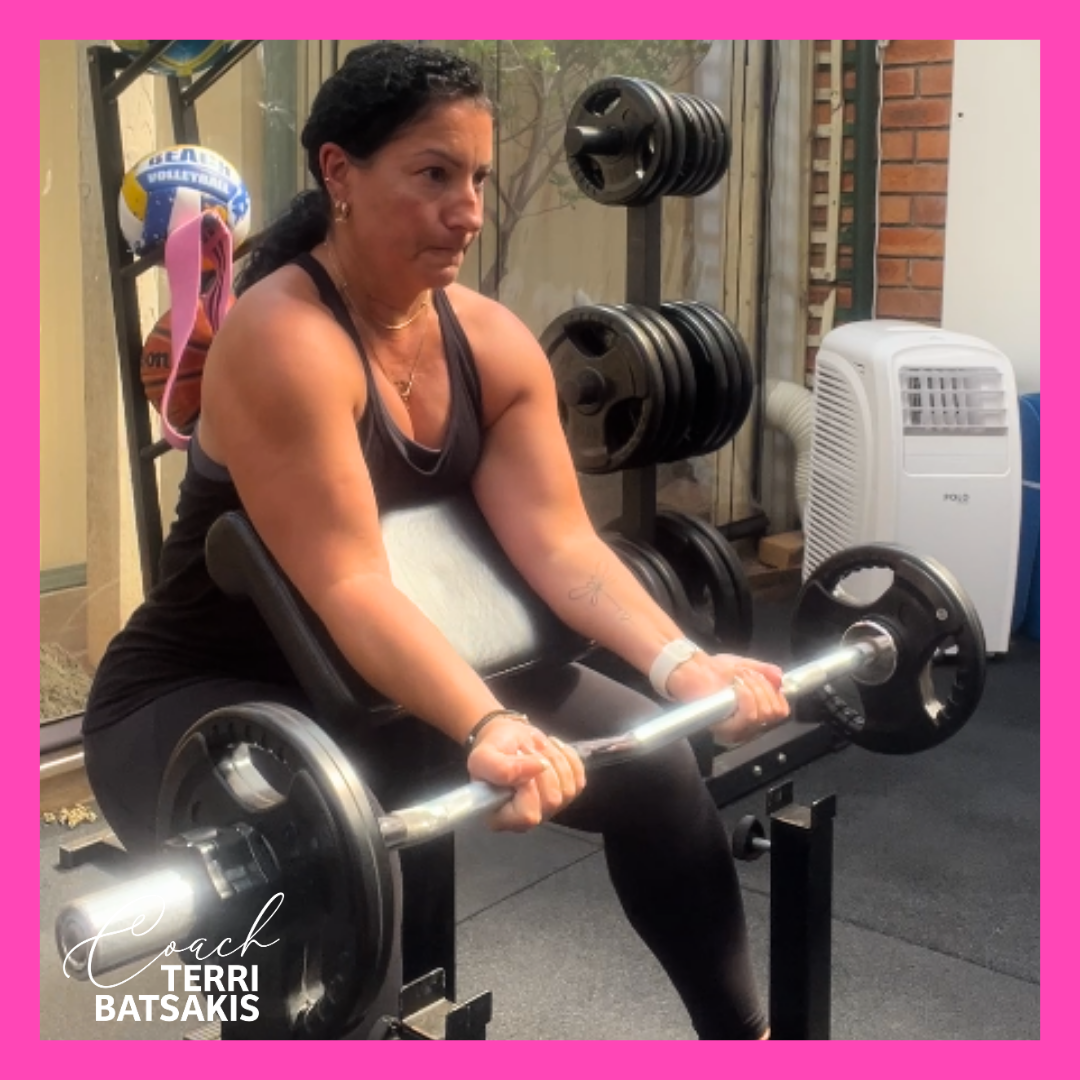
If I had to choose two lifestyle strategies that make a huge difference in perimenopause, these would be them.
Protein and strength training.
Both become incredibly important as hormones begin shifting in midlife.
However, many women were never taught this.
Most advice focused on dieting and cutting calories.
Yet the body in midlife needs nourishment and strength.
Restriction alone rarely works.
I saw this clearly during my own journey.
When I became a trainer years ago, most advice focused heavily on calories.
Eat less. Move more.
Over time, I realised that approach rarely worked for women navigating perimenopause.
Their bodies needed support.
Why Protein Matters in Perimenopause
Protein provides amino acids.
These amino acids act as building blocks for muscle repair and tissue maintenance.
They also support metabolic health.
Protein in perimenopause becomes incredibly important for maintaining muscle mass.
Muscle helps regulate metabolism.
It also supports blood sugar stability, mobility and long-term health.
Another benefit involves appetite regulation.
Protein improves satiety and helps reduce constant snack cravings.
Many women notice these cravings increase during perimenopause.
Protein also supports hormone production and immune function.
Recovery from exercise improves when protein intake is adequate.
Despite these benefits, many women simply do not eat enough protein.
Strength Training and Menopause Muscle Loss
Strength training becomes equally important during perimenopause.
As oestrogen declines, the body begins losing muscle mass more easily.
This process is called sarcopenia.
Sarcopenia can gradually reduce metabolic rate, strength and bone density.
Strength training helps counteract menopause muscle loss.
Resistance exercise stimulates muscle growth and preserves lean muscle tissue.
It also improves insulin sensitivity.
Improved insulin sensitivity helps the body manage blood sugar more effectively.
Another benefit involves bone health.
Strength training encourages bones to remain strong and resilient.
Posture and stability also improve with resistance training.
Stronger muscles support joints and reduce injury risk.
Strength Training Supports Mood and Mental Clarity
Strength training offers benefits beyond metabolism.
Exercise stimulates endorphins and supports nervous system balance.
Many women report improved mood and mental clarity after resistance training.
Stress regulation often improves as well.
These benefits become especially valuable during perimenopause.
Before anyone worries, strength training does not mean becoming a bodybuilder.
It simply means adding progressive resistance to your weekly routine.
This might include weights, resistance bands, machines or bodyweight exercises.
The goal is simply to challenge your muscles.
Combining Protein and Strength Training for Midlife Health
Protein and strength training work best together.
Protein supports muscle repair and growth.
Strength training stimulates the body to build and maintain muscle.
When women combine both strategies, the results can be remarkable.
Energy often improves.
Metabolism becomes more stable.
Strength increases.
Confidence grows.
Instead of fighting your body, you begin supporting it.
Midlife can become a stage of rebuilding and reinvention.
Getting Support With Nutrition and Training
If you need help working out the right nutrition and training strategy, support can make a big difference.
And if you know a woman drowning in conflicting hormone advice, please share this with her. 💫
- Coach Terri Batsakis